
Villanova Men's Basketball
Can Villanova Men’s Basketball Turn Versatility Into a Strength?

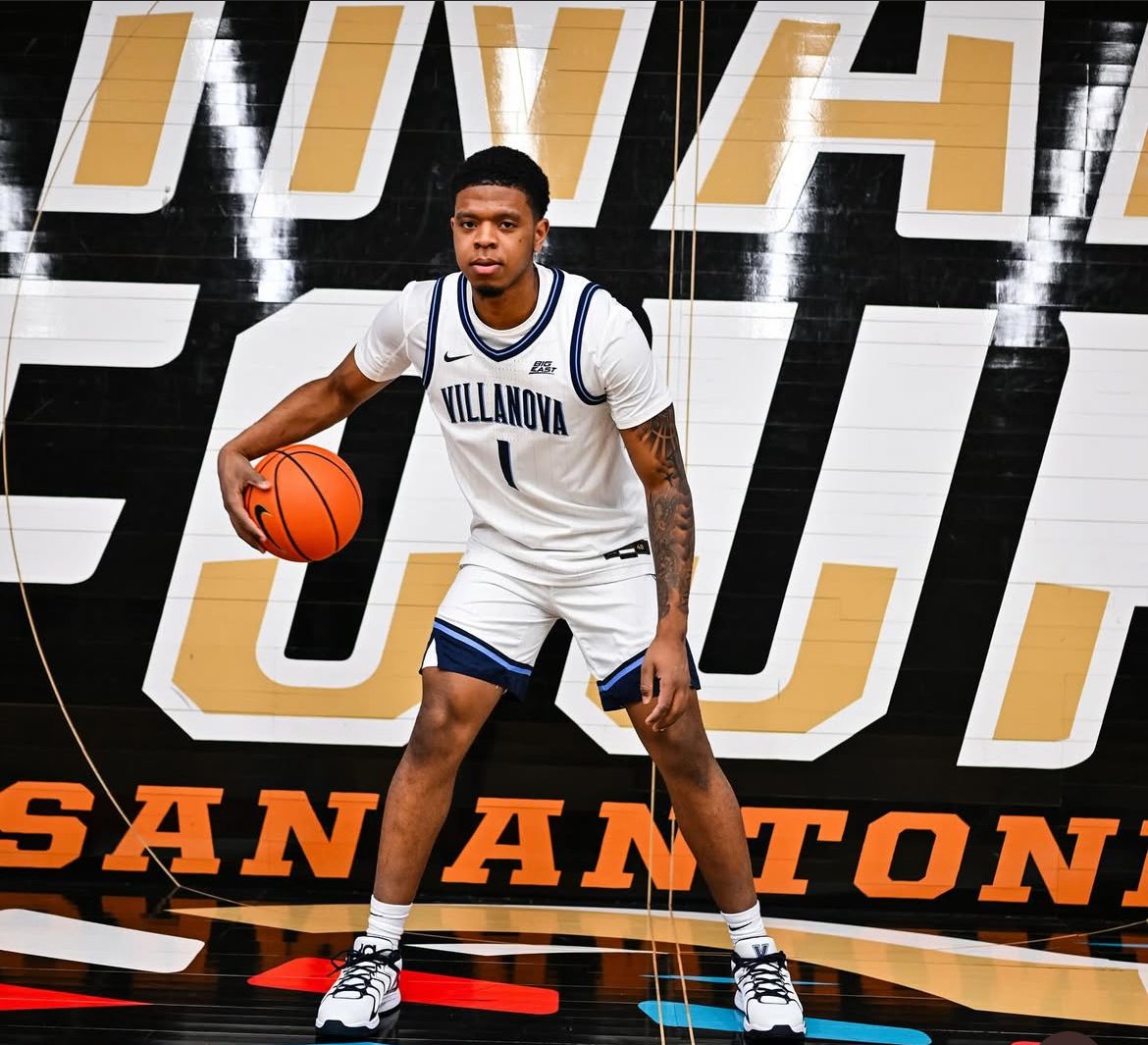
Villanova Men’s Basketball head coach Kevin Willard expects versatility to become his team’s calling card this season. Can he make positionless basketball work? Or will he see players caught out of position, capable of playing a size up or down without excelling at either?
Willard raved about his team’s versatility at the Wildcats’ media day, calling depth his team’s “greatest strength” describing how mid-sized athletes like Zion Stanford (6-foot-6), Malachi Palmer (6-foot-6), Matt Hodge (6-foot-8) and Tafara Gapare (6-foot-9) possess some combination of the speed, finesse and shooting needed to excel at a traditionally smaller position like guard while retaining the size and strength needed to match up in the paint.
“Everywhere. Name a position, Z’s [Zion Stanford] gonna play… Looking at four of them out there right now. That’s what I mean. I can play Matt [Hodge] at the five, Malachi at the four, Z at the point guard, Tafara at the four,” Willard said. “And just everyone on the floor can shoot, go off the dribble or attack, and especially defensively we can be really aggressive.”
That sounds promising on paper, but can this young Villanova team turn potential into results? When the Wildcats lost 75-72 on the road in an exhibition contest against Virginia, Willard took a different approach, mentioning that his team might struggle to win on the glass this season because of their relative lack of size and athleticism.
“Rebounding is going to be an issue just because we’re not super athletic or big. But we just have to keep the rebounding margin close,” Willard said. “We just can’t get demolished on the glass. If we keep the glass close with the tempo we play at and the intensity we play at.”
The Exception, Not the Rule
Like Willard said, the Wildcats can cover up for some of their weaknesses through up-tempo play that puts pressure on their opponents.
Having a 6-foot-8 forward who has the finesse to drive inside before kicking a pass back to the perimeter, or a 6-foot-6 guard with the strength and physicality to defend the rim can provide a boon when teams run into injuries, foul trouble, or any other situation where they need to make adjustments on the fly. Making a habit of playing out of position is a far more risky proposition, however.
Just because Matt Hodge is physically capable of playing the five doesn’t mean it’s the best use of his skillset. If rebounding and athleticism turn out as much of an issue for this Villanova team as Willard suggested after the Virginia game — even with centers like 6-foot-10 Duke Brennan, who averaged nearly 10 boards per game last season — positionless basketball could turn into basketball without a real identity.
Willard knows he needs to cycle through different matchups and adjust his lineup to the situation, citing that as a bonus as he attempts to crack the code of each team the Wildcats face.
Learning to Adapt
“I think you’re going to see three or four different styles throughout the game, to be honest with you. I know I’m excited about it, just because I’m not hindered to play one way,” Willard said. “So I think if one team’s not working, or one style that you thought was going to work in the game, I think we’re going to have the ability to adjust and play different styles.”
Willard also knows that a team with 11 new faces isn’t going to gel overnight.
“I think that is an ever evolving process. It doesn’t happen before November 3rd. Our goal is to be playing really, really good basketball by the middle of December,” Willard said. “If you look at college basketball in general, most new teams that start playing really good, that’s usually the time frame you’re looking for.”
Facing the toughest out-of-conference schedule in the Big East with a flood of underclassmen set to play major minutes, Villanova’s ability to find a comfortable method of play — and the speed with which they do so, especially with key contributors like Stanford and Devin Askew set to miss regular season games — could mean the difference between their first trip to the NCAA Tournament since 2022, and another season of what-ifs.